
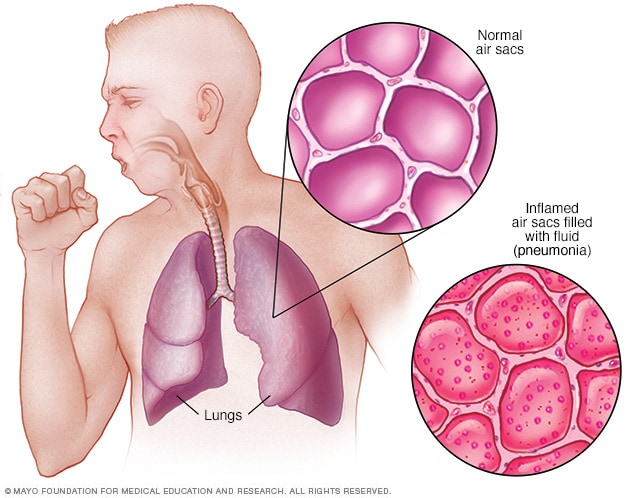
Pneumonia is an acute inflammatory condition of the lung parenchyma (lung tissue), caused by infectious organisms or, in some cases, chemical irritants. It is characterized by inflammation of the alveoli, leading to exudation, consolidation of lung tissue, impaired gas exchange, and reduced oxygenation of blood.
Incidence and Distribution
Pneumonia is a global health problem affecting all age groups. However, it is more common in infants, elderly individuals, and people with weakened immune systems. Increased incidence has been observed among males, individuals of low socioeconomic status, smokers, alcoholics, and preterm infants. The condition is more prevalent during cold seasons such as winter and spring, although it may occur throughout the year. Urban populations tend to show higher reported cases compared to rural populations.
Mode of Transmission
- Droplet infection through inhalation of infectious respiratory droplets.
- Aspiration of oropharyngeal or gastric contents, especially in debilitated patients.
- Hematogenous spread (infection carried through the bloodstream).
Predisposing Factors
- Immunosuppression (e.g., corticosteroid therapy, HIV/AIDS)
- Cardiac failure
- Chronic illnesses such as diabetes mellitus
- Prolonged immobilization or bed rest
- Depressed cough reflex (e.g., unconscious patients)
- Exposure to extreme cold environments
- Preterm birth
- Alcohol abuse and malnutrition
- Aspiration of infected secretions from upper respiratory tract infections
- Smoking
Aetiology (Causative Organisms)
Pneumonia can be caused by a wide range of microorganisms including bacteria, viruses, fungi, and atypical pathogens.
- Bacterial organisms: Streptococcus pneumoniae, Staphylococcus aureus, Streptococcus pyogenes, Klebsiella pneumoniae, Escherichia coli, Pseudomonas aeruginosa, Proteus species, Haemophilus influenzae.
- Atypical organisms: Mycoplasma pneumoniae.
- Opportunistic infections: Pneumocystis jirovecii (common in AIDS patients).
- Viral causes: Various respiratory viruses.
- Fungal causes: Occur mainly in immunocompromised individuals.
Pathophysiology
Pneumonia begins when a causative organism reaches the alveoli, triggering an inflammatory response. This leads to accumulation of exudate within the alveolar spaces, resulting in oedema and impaired oxygen exchange. The affected lung tissue becomes consolidated, reducing ventilation and causing hypoxia. As infection progresses, necrosis of lung tissue may occur, stimulating cough reflexes as the body attempts to clear the airways.
Classification of Pneumonia
1. According to Morphology
- Lobar pneumonia: Involves an entire lobe or large portion of the lung.
- Bronchopneumonia: Starts in the bronchioles and spreads patchily into surrounding lung tissue.
- Interstitial pneumonia: Affects the alveolar walls and interstitial tissues around bronchi and lobules.
2. According to Aetiology
- Bacterial pneumonia
- Viral pneumonia
- Fungal pneumonia
- Aspiration pneumonia
- Hypostatic pneumonia (due to prolonged bed rest and immobility)
Clinical Features
- Sudden onset of fever and chills
- Grunting respiration (especially in infants)
- Pleuritic chest pain aggravated by breathing or coughing
- Initial dry cough progressing to productive cough with sputum (sometimes blood-stained)
- Malaise and muscle aches
- Cyanosis of lips and nail beds
- Flushed cheeks
- Sore throat
- Convulsions (in severe infant cases)
- Abdominal distension (infants)
- Delirium in severe cases
- Tachycardia (high pulse rate)
- Profuse sweating
Diagnosis
- Chest X-ray
- Sputum culture and sensitivity test
- Physical examination
- Patient history (especially recent respiratory infections)
- Blood tests (e.g., erythrocyte sedimentation rate - ESR)
- Bronchoscopy (if indicated)
Management of Pneumonia
Medical Management
- Administration of antibiotics such as ceftriaxone, ampicillin, and penicillin.
- Supportive therapy including oxygen administration when needed.
Nursing Management
- Position patient in an upright (Fowler’s) position to improve lung expansion.
- Administer oxygen therapy if cyanosis is present.
- Give prescribed medications promptly and accurately.
- Educate patient on risk factors and prevention strategies.
- Position patient on the affected side to reduce pain and splint the chest during coughing.
- Encourage adequate fluid intake to help loosen secretions.
Complications
- Pleural effusion
- Emphysema
- Lung abscess
- Cardiac failure
- Meningitis
- Pericarditis
- Bronchiectasis
- Myocarditis
- Mental confusion and delirium
- Otitis media
Conclusion
Pneumonia is a serious respiratory condition that requires early recognition and prompt management. Understanding its causes, clinical presentation, and nursing care is essential for improving patient outcomes and preventing complications.
Read Also


Social Plugin