
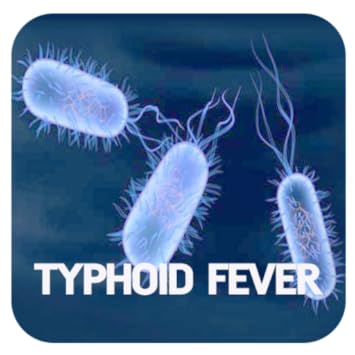
Mode of Transmission
Spread: Faeco-oral
- Drinking of contaminated water.
- Eating of contaminated food.
- Taking contaminated vegetable and fruit
- Improper hand washing or direct ingestion of faeces or urine of infected person through the hands.
It is often said that getting infected with typhoid fever
mean the injesion of excreta from an infected person, this is because
salmonella typhi is present in the faecal matter and urine of infected persons,
and other people get infected when the salmonella typhi somehow manages to get
into the system of the vulnerable individual.
Vector: Houseflies, cockroaches etc.
Note that 1% of infected persons become chronic carries.
This means they become hosts to the causative agent and can transmit it but
might not necessarily fall sick.
Clinical Features
- High fever (described as step-ladder temperature).
- Constipation (coupled with abdominal bloatness and tenderness in advanced stages).
- Abdominal pains.
- Rose spots or rashes on the trunk (this happens sometimes).
- Anorexia
- Headache
- Vomiting
- Malaise
- Slow pulse
- Diarrhea is common after first week
Diagnostic Investigations
- Blood culture in first 10 days.
- Stool or urine culture.
- Widal test (unreliable but common).
Medical Management
- Chloramphenicol is the drug of choice in most parts of the world.
- Ceftriaxone is used in most hospitals.
- Ciprofloxacin is also used.
- IV fluids replacement.
- If there is CN’s involvement, dexamethasone stat is given.
- Antipyretics. Example, Paracetamol is given to reduce fever.
Nursing Management
- Monitor and record IV fluids properly.
- Monitor vital signs closely and record.
- Tepid sponge and give prescribed anti-pyretic to reduce temperature.
- Encourage oral fluid intake.
- Give roughage diet to reduce constipation.
- Serve ordered drugs.
- Assess for any complication such as perforations.
- Give nutritious drugs.
- Stool and urine cultures, as well as blood Widal test should be done to determine patient’s progress.
Prevention and Control
- Adequate treatment of infected persons and chronic carriers (food handlers).
- Contact tracing and initiate treatment of positive cases.
- Proper disposal of waste and human excreta.
- Provision of portable water or drinking only treated (boiled) water.
- Vegetables and fluids should be properly washed before consumption.
- Educate on proper hand washing.
Read Also


Social Plugin